
Inconsistent Definitions
Lead, MQL, SQL, opportunity, and sourced pipeline were not governed through one shared model.

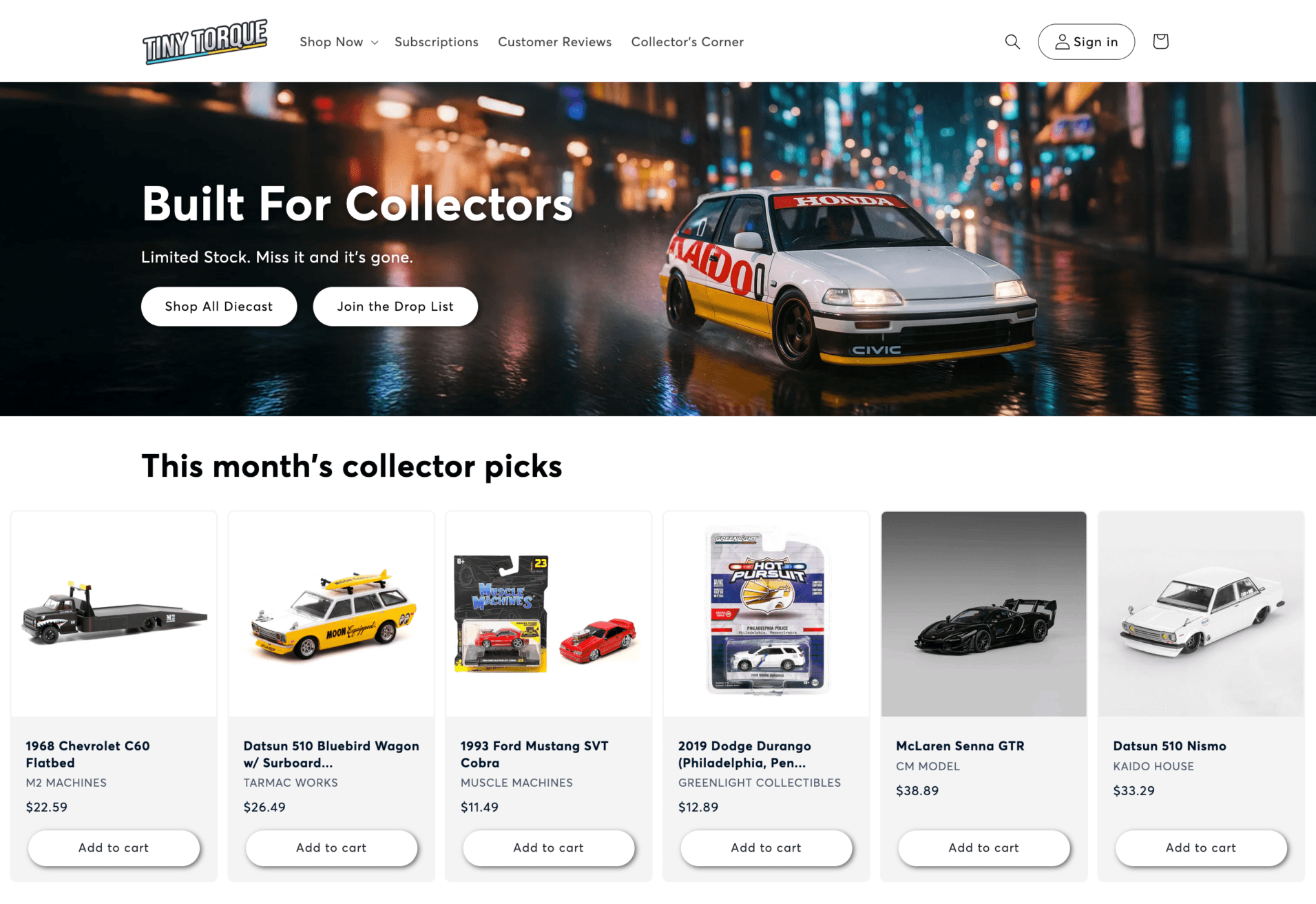
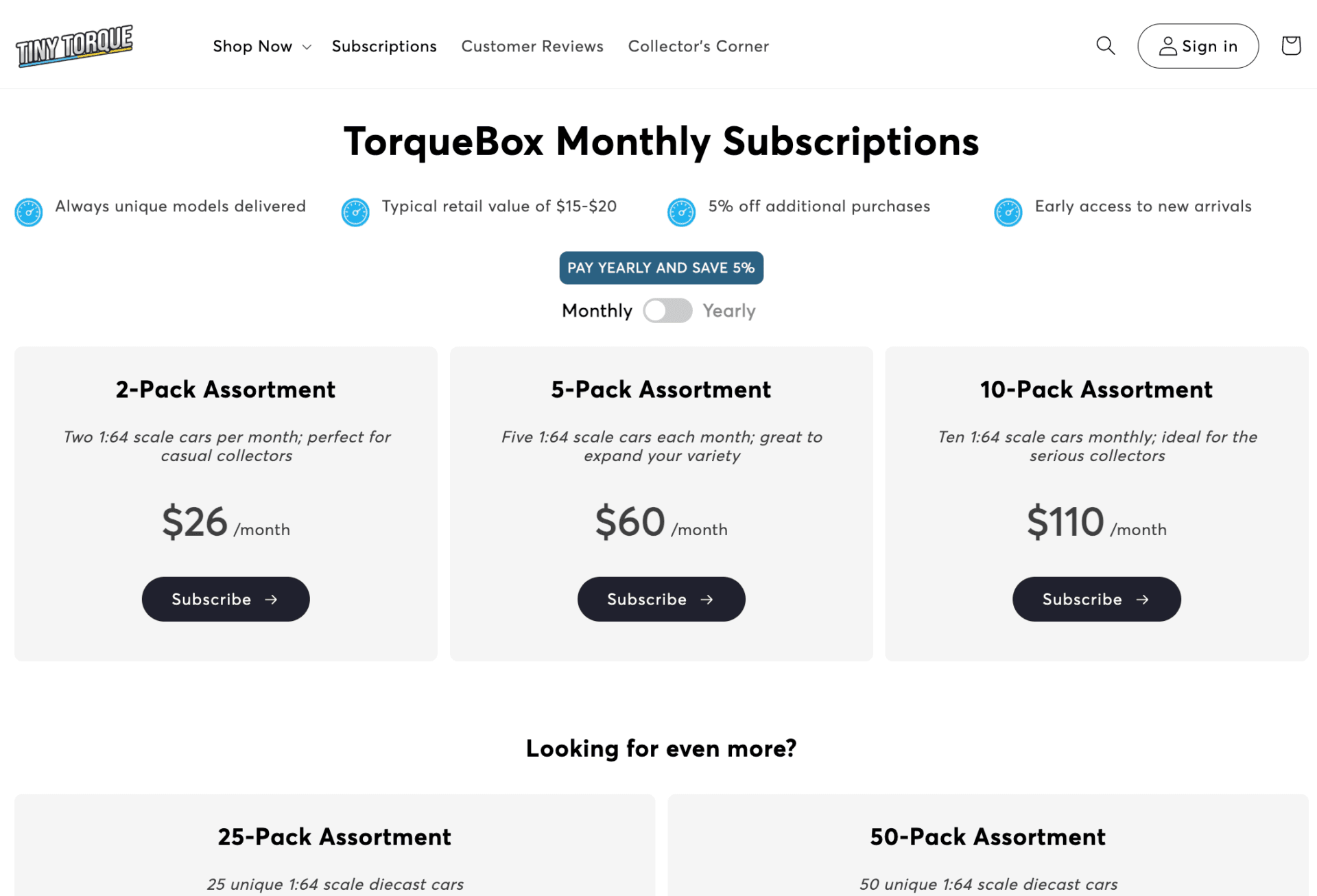
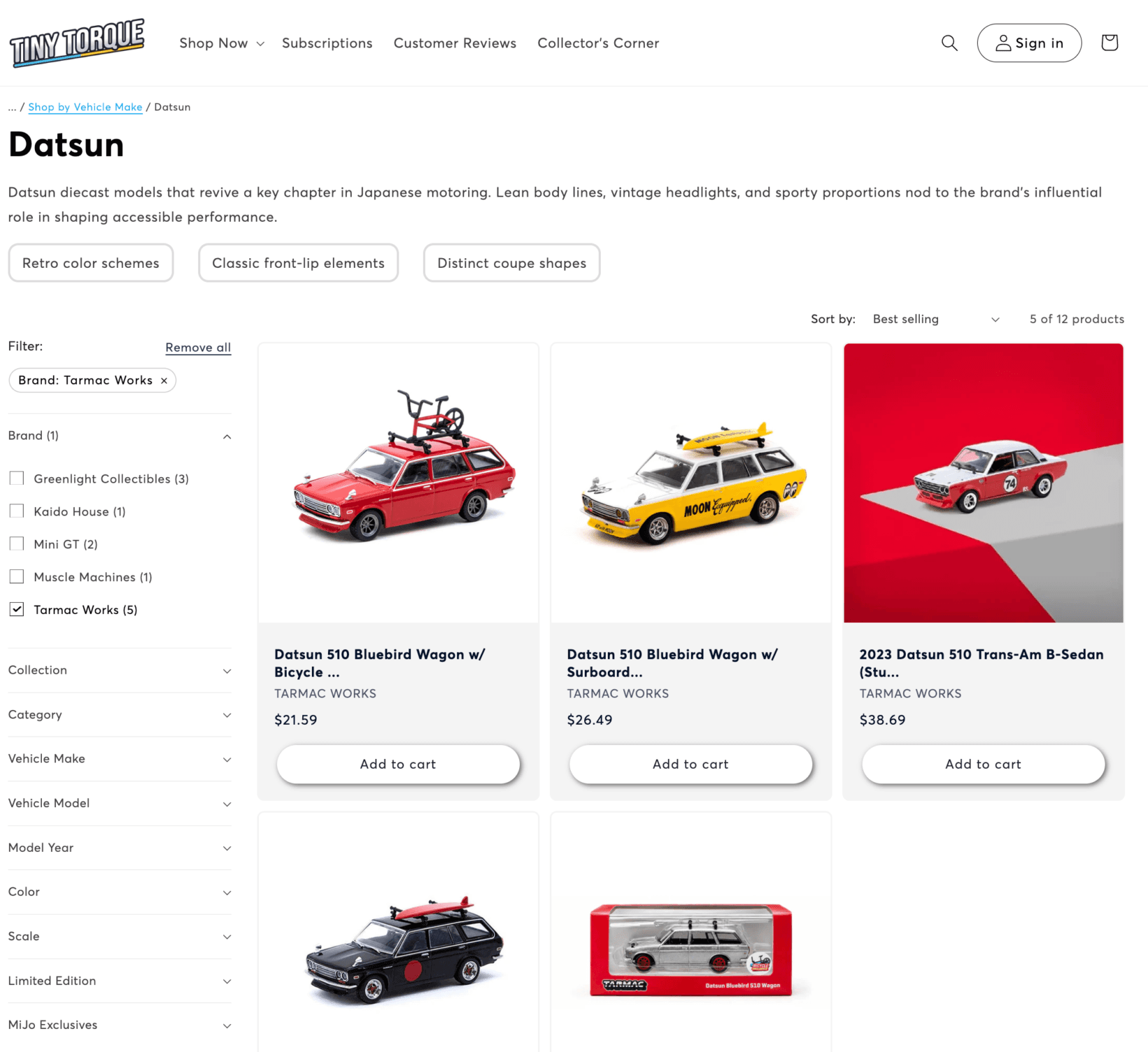
Tiny Torque combines storefront architecture, product content, data-driven lifecycle automation, subscriptions, custom GraphQL APIs for tools & content, and performance reporting.
The data existed, but the operating view did not.
Channel spend, lead stages, CRM records, and campaign notes were reviewed in separate tools. The team could report activity, but it lacked one governed answer for lead quality, stage conversion, pipeline contribution, and next actions.
Lead, MQL, SQL, opportunity, and sourced pipeline were not governed through one shared model.
Spend, funnel performance, lifecycle activity, and pipeline were reviewed in separate views.
Weekly reporting described performance, but actions, owners, and due dates were not consistently attached to the findings.
The data existed, but the operating view did not.
Channel spend, lead stages, CRM records, and campaign notes were reviewed in separate tools. The team could report activity, but it lacked one governed answer for lead quality, stage conversion, pipeline contribution, and next actions.
Lead, MQL, SQL, opportunity, and sourced pipeline were not governed through one shared model.
Spend, funnel performance, lifecycle activity, and pipeline were reviewed in separate views.
Weekly reporting described performance, but actions, owners, and due dates were not consistently attached to the findings.
One reporting model connecting acquisition activity to funnel quality and pipeline.
The build combined governed definitions, a shared funnel model, channel-level pacing, lifecycle visibility, and a weekly decision cadence.
Defined each metric, formula, source, owner, reporting window, and treatment of exceptions.
Documented stage criteria, movement rules, routing, sales follow-up, and ownership.
Connected budget, spend, MQL, SQL, CPSQL, opportunity volume, and qualified pipeline.
Converted reporting into assigned recommendations with owners, due dates, and status.
The recreated dashboard uses mathematically consistent sample data.
The placeholder output demonstrates how summary metrics, channel comparisons, funnel movement, and action notes can share one navigable reporting surface.
A compact starting view surfaces the measures most useful for a recurring leadership readout.
Comparable channel views make spend, response, and pipeline context easier to inspect together.
A dedicated area keeps questions, decisions, owners, and next steps attached to the reporting cycle.
The reporting system changed how the team managed performance, not just how the results were displayed.
Marketing, revenue operations, sales, and finance could review the same funnel definitions, performance view, and action log. Channel decisions were connected to lead quality and pipeline rather than isolated platform metrics.
Sample performance data
Improvement in MQL-to-SQL conversion
Reduction in CPSQL
Year-over-year increase in qualified pipeline
Growth Shop can build the KPI definitions, reporting, and operating cadence around the tools already in place.